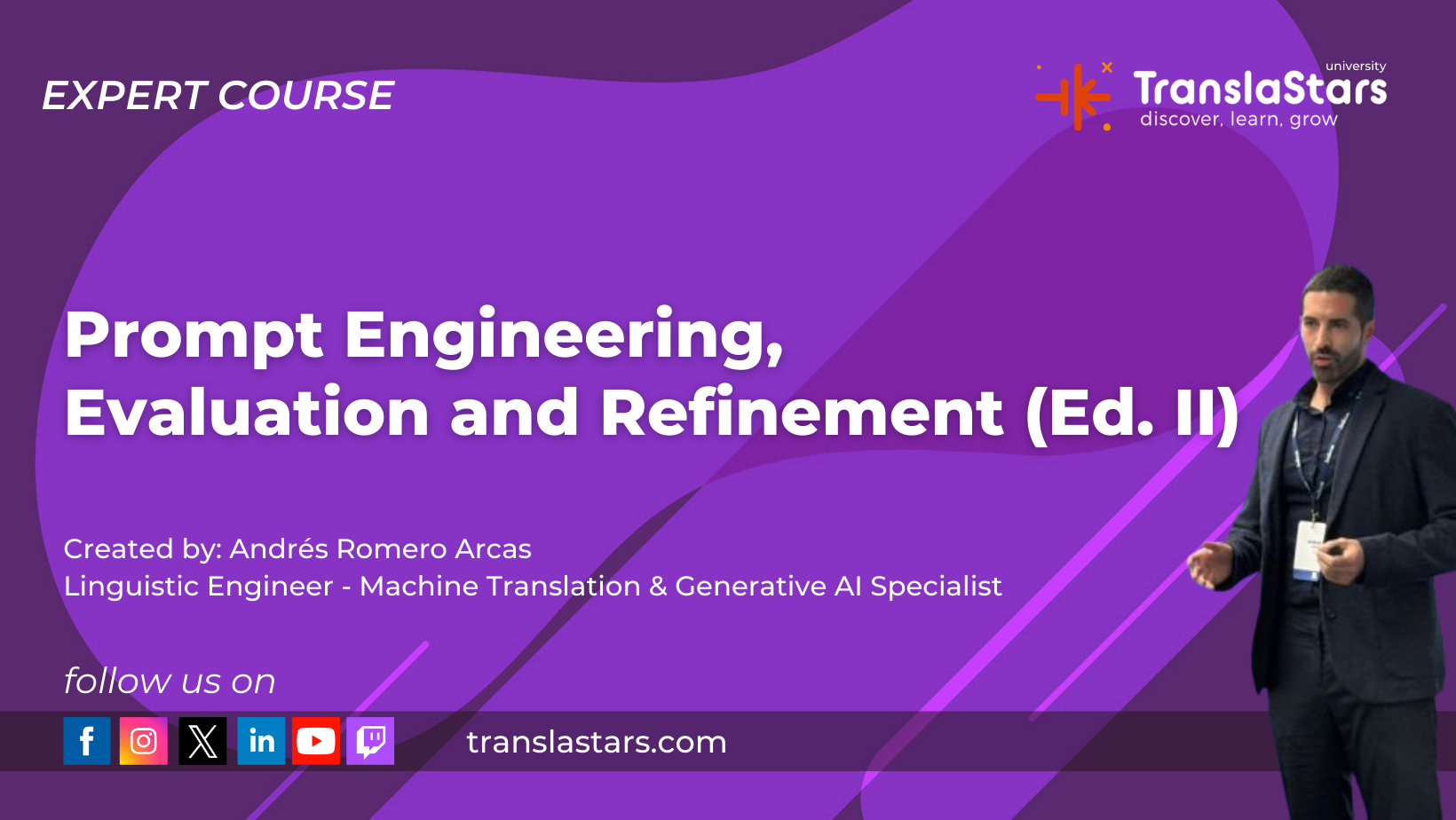
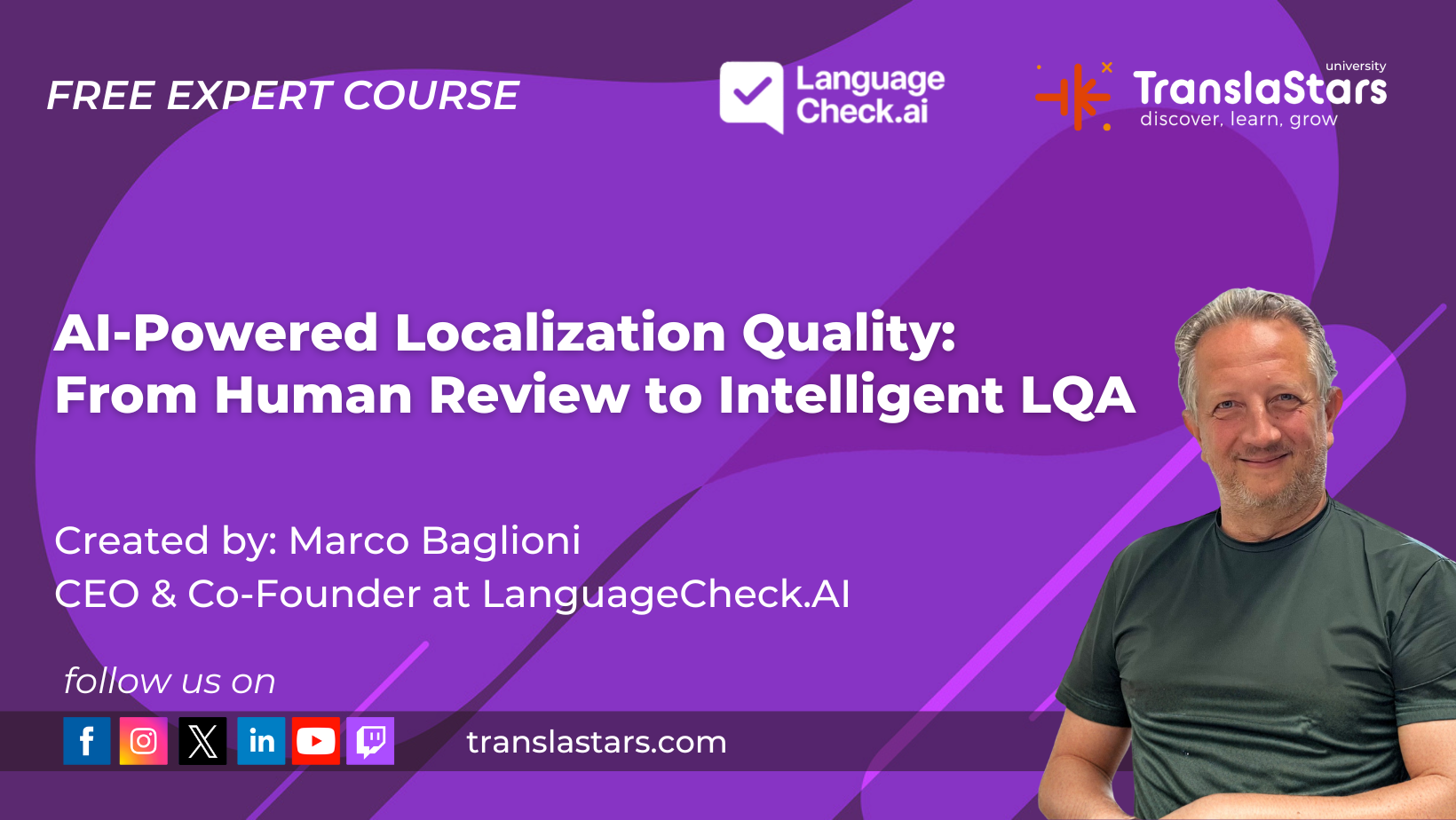
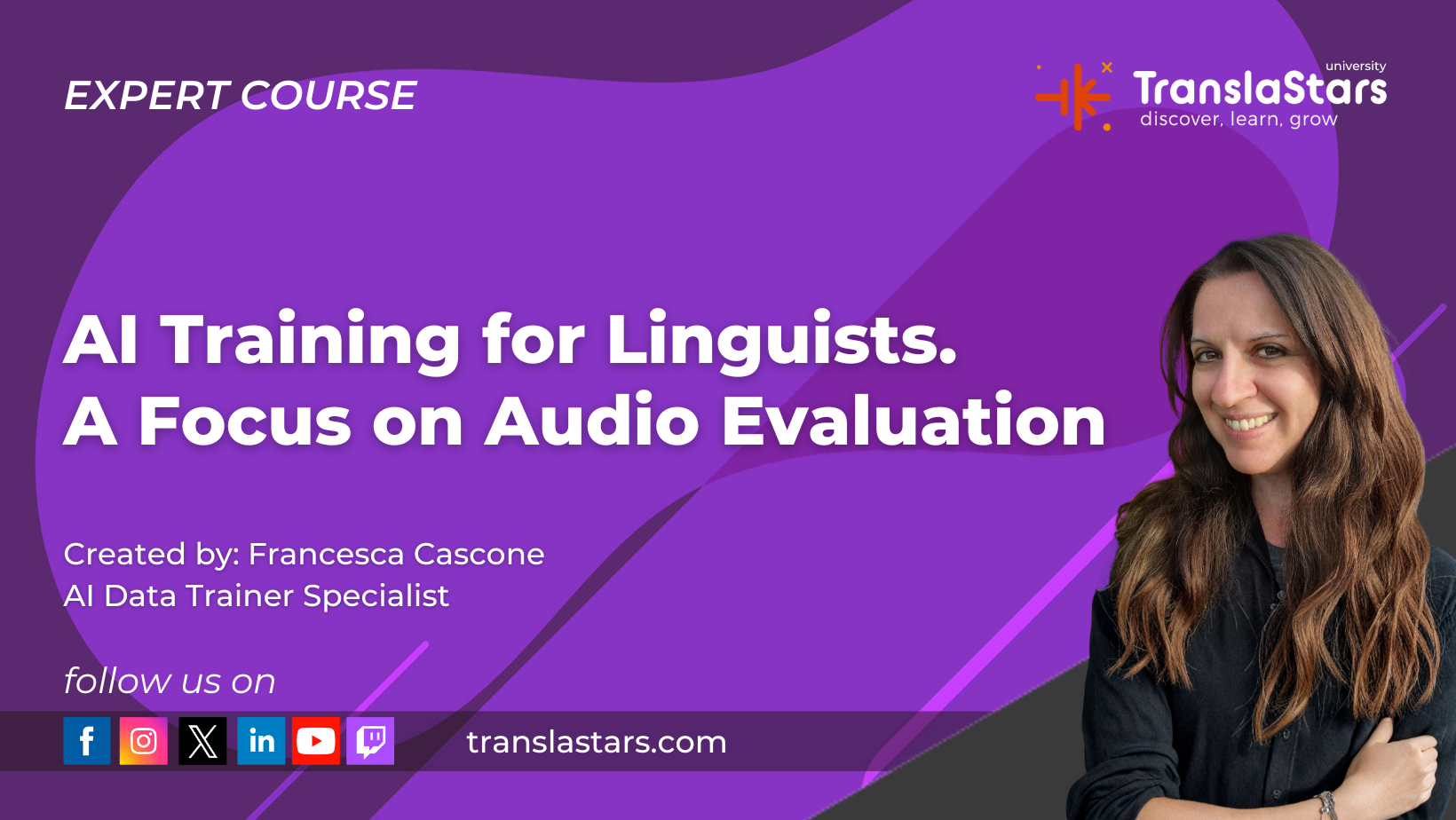
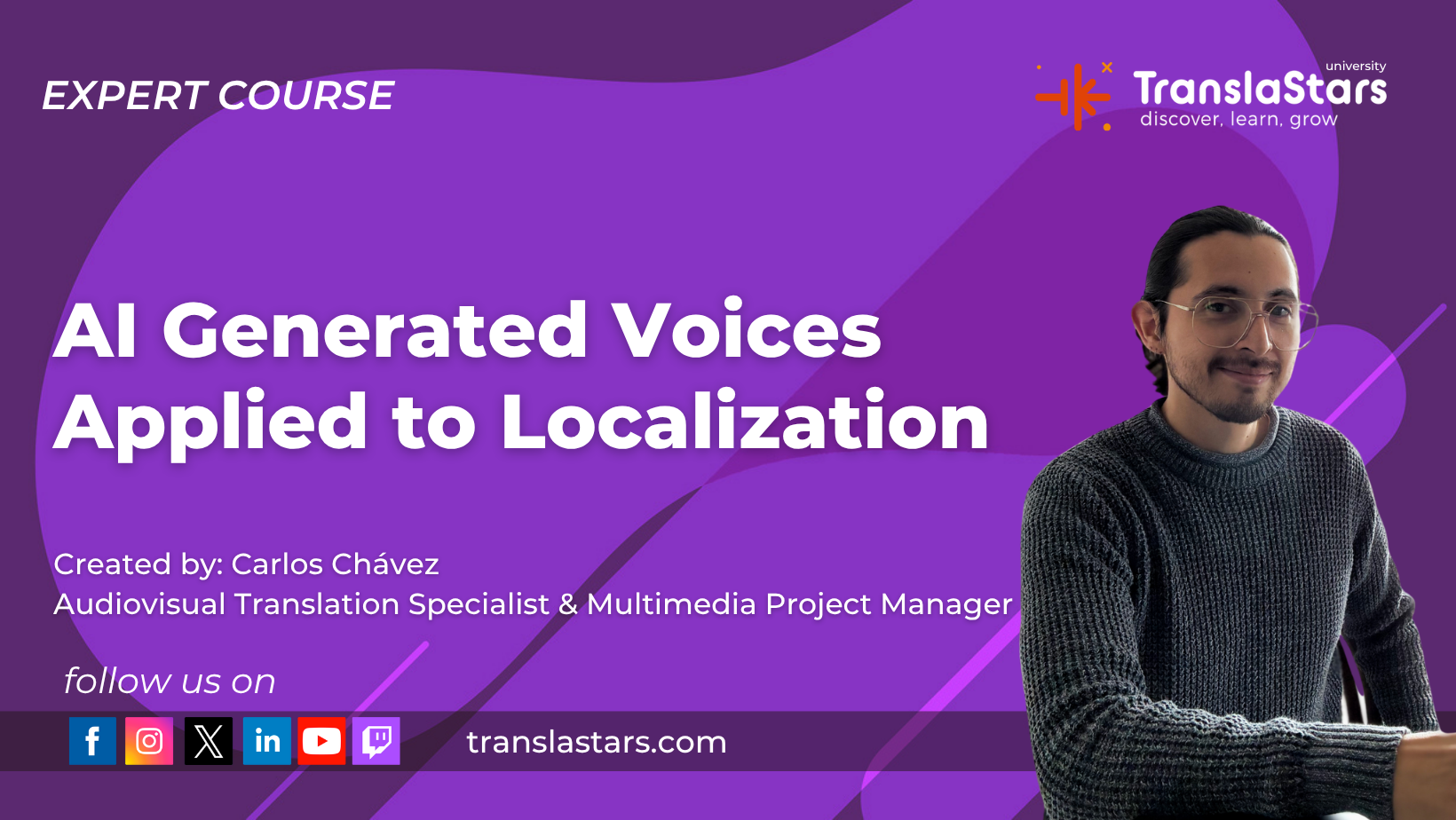
Machine Translation and AI Courses for Translators
Post-editing, LLMs, prompts, pipelines and automation. Learn how to work with machine translation and AI instead of being replaced by it.
64Courses
3Languages
18Free options
🎓 Certified courses🌍 6 languages🏃 Self-paced online💼 Career focused
What is machine translation and why it matters now
Machine translation (MT) is now part of every translation workflow. The professionals who understand it best are the ones winning the work. This track covers neural machine translation (NMT), post-editing, large language models (LLMs), prompt engineering and the automation pipelines that modern localization teams use every day. You learn how MT behaves, where it fails, and how to deliver quality with it.
The fastest growing service in the industry
Post-editing is already one of the fastest growing services in the language industry. It pays differently from traditional translation and requires a specific skill set: spotting error patterns, knowing when to edit or retranslate, and managing quality. LLMs and AI agents are opening a second wave of opportunity for translators who can write effective prompts, build AI workflows and manage quality between raw AI output and professional delivery.
No programming background needed
The courses are designed for language professionals. They go from fundamentals to advanced workflows step by step, with real use cases from the localization industry. You do not need to be a programmer to start. Tools like ChatGPT, Claude, DeepSeek, memoQ and no-code automation with Make are covered in depth.
🎯What you will learn
Understand how NMT engines and LLMs actually work, including their strengths and failure modes
Deliver professional light and full post-editing with realistic pricing and quality standards
Write effective prompts and build repeatable AI workflows for real client projects
Design localization pipelines that combine MT, terminology and human review
Evaluate MT quality and choose the right engine or model for each content type
Position yourself for post-editing, AI consulting and automation roles
👥Who this track is for
✓Translators who want to add AI and MT skills to their services
✓Language students preparing for the reality of the modern market
✓Localization professionals managing MT and AI workflows in teams
✓Agencies and freelancers who want to automate repetitive work
💼 Where this can take you
The market is actively hiring for post-editors, MT linguists, AI workflow specialists and quality managers. Combining AI skills with a specialized domain such as medical or legal translation creates one of the most valuable profiles in the industry today.
No. It is changing the work: repetitive and low value tasks are automated, while post-editing, quality control, creative adaptation and AI workflow management are growing. These courses prepare you for the work the market is actually hiring for.
What is post-editing and how is it priced?
Post-editing means correcting machine translation output to the required quality level. It is usually priced per word or per hour and pays differently from translation. The courses cover light and full post-editing, error patterns and realistic pricing.
Do I need coding skills?
No. The beginner courses assume no technical background. Advanced courses cover pipelines and automation with tools designed for non-programmers, like Make and no-code AI workflows.
Which tools will I learn?
The track covers the main NMT engines, LLMs such as ChatGPT, Claude and DeepSeek, CAT tools like memoQ and Trados, terminology management, and AI workflows. Specific tools vary by course.
Is machine translation quality good enough for professional work?
For many content types, yes, with proper post-editing. For others, it is not. Knowing which is which is exactly the professional judgment these courses teach.
Do I get a certificate?
Yes. Every paid course includes a TranslaStars certificate of completion, and expert courses award specialized certificates you can add to your CV, LinkedIn profile and portfolio.
Ready to build your specialty?
Join thousands of language professionals learning with TranslaStars.