
Technical skills get you started in translation and localization, but soft skills are what truly set top professionals apart.
In a field shaped by tight deadlines, evolving tools, and constant cross-cultural communication, the way you think, collaborate, and adapt matters just as much as the way you translate.
Here are 10 soft skills every language professional should master to stay competitive, work smarter, and stand out today.
In a field shaped by tight deadlines, evolving tools, and constant cross-cultural communication, the way you think, collaborate, and adapt matters just as much as the way you translate.
Here are 10 soft skills every language professional should master to stay competitive, work smarter, and stand out today.
1. Effective communication
Effective communication is one of the most essential soft skills for any language professional, whether you work freelance, in-house, or within a translation agency.
It’s what allows you to convey ideas clearly, ask the right questions, manage expectations, and collaborate smoothly with clients, project managers, and colleagues across teams.
Effective communication also prevents misunderstandings, avoids rework, and helps build long-term professional relationships based on trust and clarity.
Like any skill, it can be strengthened through practice: refining how you write emails, learning to ask precise clarification questions, structuring feedback thoughtfully, and adapting your tone to different audiences and cultures. And today, communication extends beyond day-to-day exchanges: it also includes how you present yourself online.
It’s what allows you to convey ideas clearly, ask the right questions, manage expectations, and collaborate smoothly with clients, project managers, and colleagues across teams.
Effective communication also prevents misunderstandings, avoids rework, and helps build long-term professional relationships based on trust and clarity.
Like any skill, it can be strengthened through practice: refining how you write emails, learning to ask precise clarification questions, structuring feedback thoughtfully, and adapting your tone to different audiences and cultures. And today, communication extends beyond day-to-day exchanges: it also includes how you present yourself online.
Communicating effectively matters on LinkedIn too. Learn how to craft a profile that convinces potential clients and collaborators that you’re the right professional to work with in our course Master the LinkedIn Stage.
2. Time management
With multiple projects running in parallel, tight deadlines, and clients expecting fast, high-quality delivery, knowing how to organize your workload is essential.
Effective time management helps you prioritize tasks, avoid last-minute stress, maintain consistent quality, and create a workflow that supports both productivity and well-being.
It’s a skill you can build and refine: breaking projects into manageable stages, estimating time realistically, using productivity tools, setting boundaries, and learning when to say no.
The more you practice, the easier it becomes to balance assignments without compromising on focus or accuracy.
Effective time management helps you prioritize tasks, avoid last-minute stress, maintain consistent quality, and create a workflow that supports both productivity and well-being.
It’s a skill you can build and refine: breaking projects into manageable stages, estimating time realistically, using productivity tools, setting boundaries, and learning when to say no.
The more you practice, the easier it becomes to balance assignments without compromising on focus or accuracy.
3. Adaptability and flexibility
Being able to pivot quickly, adjust your methods, and stay effective under pressure means you can not only survive but thrive in a volatile, uncertain, complex, and ambiguous (VUCA) environment.
You can train this skill by intentionally taking on diverse projects, experimenting with new tools, and reflecting on how you respond to unexpected challenges.
If you want to go deeper and become a true master of professional adaptability, check out our course Reinventing Your Localization Career.
Led by certified coach and experienced localization manager Stephen Nock, it will help you build resilience, continuously evolve your personal and professional identity, and confidently meet the demands of an ever-changing world. Don’t miss the chance to challenge yourself!
You can train this skill by intentionally taking on diverse projects, experimenting with new tools, and reflecting on how you respond to unexpected challenges.
If you want to go deeper and become a true master of professional adaptability, check out our course Reinventing Your Localization Career.
Led by certified coach and experienced localization manager Stephen Nock, it will help you build resilience, continuously evolve your personal and professional identity, and confidently meet the demands of an ever-changing world. Don’t miss the chance to challenge yourself!
4. Problem-solving
Problem-solving is at the heart of a localization professional’s daily work. Every project brings its own set of linguistic, cultural, or technical challenges: ambiguous source texts, conflicting terminology, tight deadlines, or unfamiliar subject matter.
The ability to identify issues quickly, weigh possible solutions, and implement the most effective approach ensures that workflow remains smooth and deadlines are met.
Developing this skill means learning to stay calm under pressure, approach problems methodically, and draw on both your experience and resources to find practical, high-quality solutions.
The ability to identify issues quickly, weigh possible solutions, and implement the most effective approach ensures that workflow remains smooth and deadlines are met.
Developing this skill means learning to stay calm under pressure, approach problems methodically, and draw on both your experience and resources to find practical, high-quality solutions.
For those looking to take this further, the Online Localization Management Program helps professionals build strategic problem-solving skills while learning to lead global initiatives and manage multilingual content under the guidance of experts from major international brands.
5. Critical thinking
Critical thinking allows language professionals to go beyond surface-level choices and make informed, strategic decisions about language. It involves analyzing texts carefully, evaluating translation options, and considering cultural, stylistic, and contextual factors before committing to a solution.
Developing critical thinking means practicing reflection, seeking feedback, and consistently asking why a particular translation or adaptation is the best choice for the target audience.
Developing critical thinking means practicing reflection, seeking feedback, and consistently asking why a particular translation or adaptation is the best choice for the target audience.
6. Teamwork and collaboration
Effective collaboration ensures alignment, reduces errors, and helps deliver high-quality translations efficiently.
If you’re a freelancer looking to strengthen your network and boost your business, join Valentina Alia’s webinar, Network Your Way to Business Success.
She’ll share tips on getting started, using LinkedIn effectively, connecting with peers, and turning your professional network into opportunities, plus an exciting networking challenge at the end!
If you’re a freelancer looking to strengthen your network and boost your business, join Valentina Alia’s webinar, Network Your Way to Business Success.
She’ll share tips on getting started, using LinkedIn effectively, connecting with peers, and turning your professional network into opportunities, plus an exciting networking challenge at the end!
If you want to learn how to manage complex teams, develop emotional intelligence, and define your own leadership style to thrive in the dynamic world of localization, have a look at our People Management in Localization course, created by Certified Coach and Localization Manager Stephen Nock.
7. Cultural empathy
Understanding cultural sensitivities and tailoring content for target audiences ensures that your work resonates, avoids misunderstandings, and respects diverse perspectives.
Without it, even accurate translations can feel tone-deaf, alienate readers, or unintentionally reinforce stereotypes. Developing cultural empathy involves active research, exposure to different communities, and attention to context, nuance, and local norms.
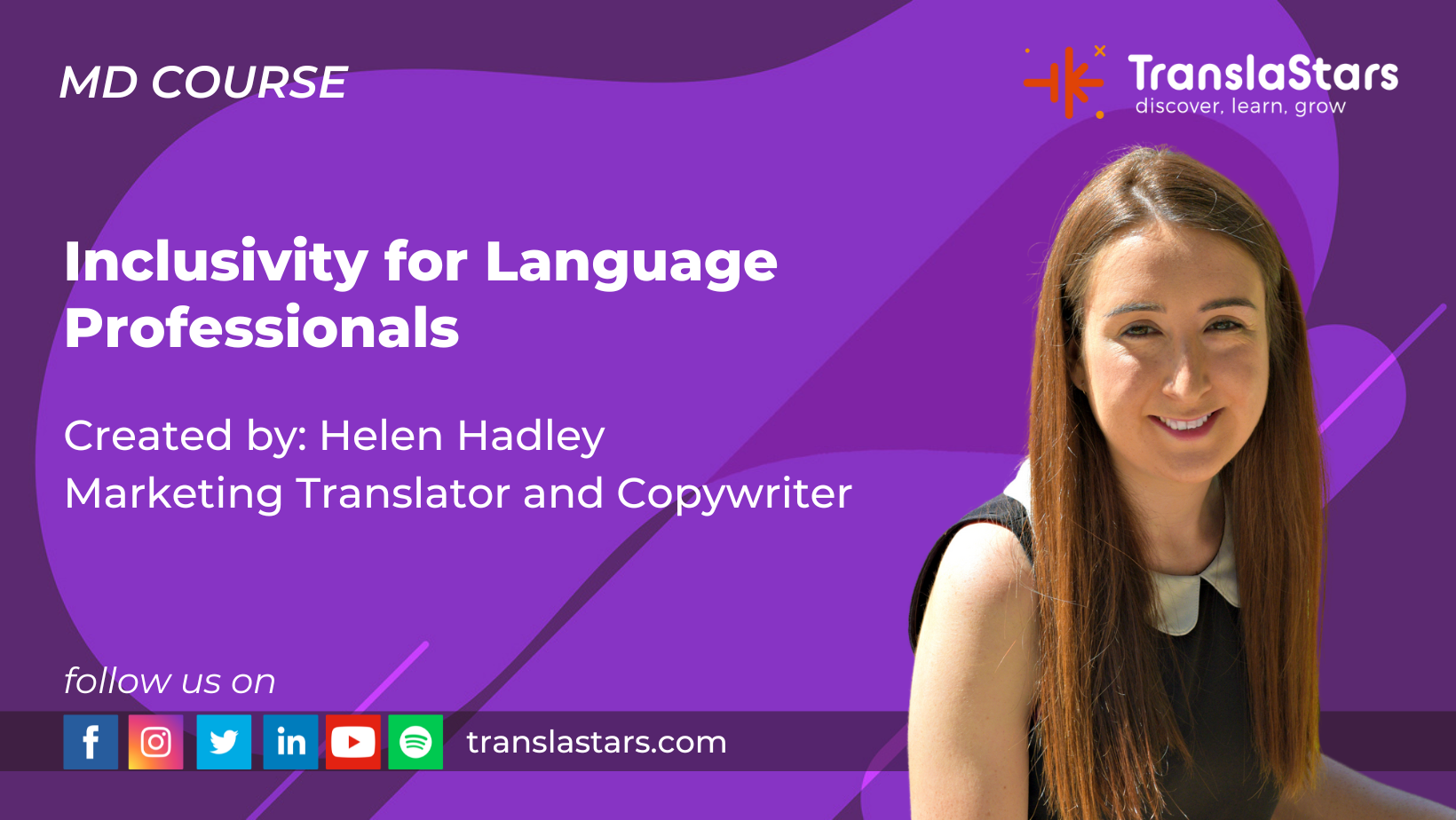
To take this further, join our Inclusivity for Language Professionals course. Led by Helen Hadley, this program teaches you how to identify problematic wording, apply effective inclusivity strategies, and enrich your texts and translations with practical, real-world examples across multiple languages.
Without it, even accurate translations can feel tone-deaf, alienate readers, or unintentionally reinforce stereotypes. Developing cultural empathy involves active research, exposure to different communities, and attention to context, nuance, and local norms.
To take this further, join our Inclusivity for Language Professionals course. Led by Helen Hadley, this program teaches you how to identify problematic wording, apply effective inclusivity strategies, and enrich your texts and translations with practical, real-world examples across multiple languages.
8. Attention to detail
Attention to detail is what separates a good translator from a great one. It means catching translation errors, maintaining terminological consistency, and ensuring stylistic accuracy across all content. Without it, even minor mistakes can undermine credibility, confuse readers, or compromise the integrity of a project.
You can train this skill by carefully reviewing your work, double-checking terminology, and developing systematic checking routines.
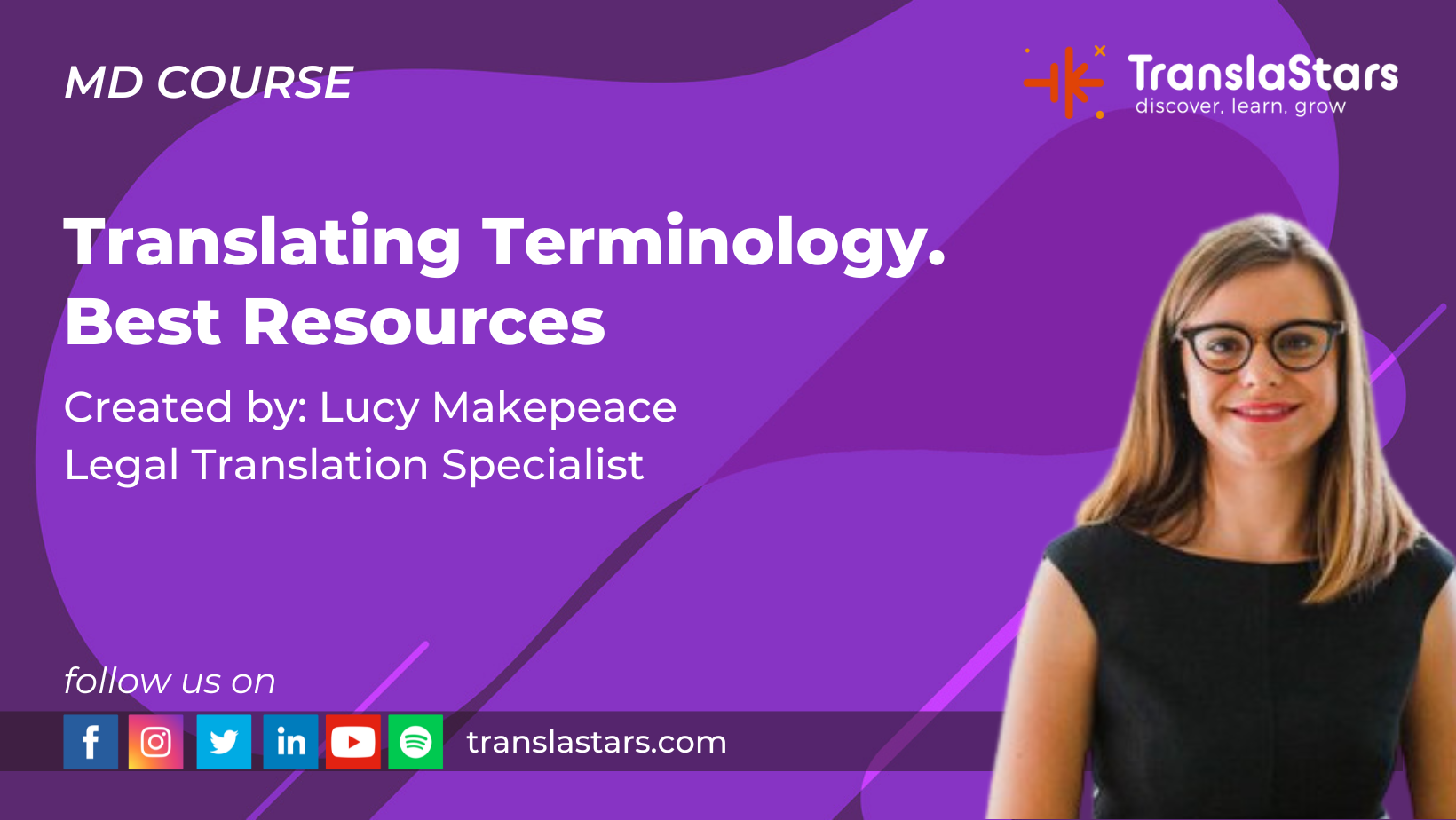
To do so, consider the course Translating Terminology: Best Resources. This program helps you master terminology research, select the most accurate terms, and implement strategies to make your translations reliable, consistent, and fit for international standards.
To do so, consider the course Translating Terminology: Best Resources. This program helps you master terminology research, select the most accurate terms, and implement strategies to make your translations reliable, consistent, and fit for international standards.
9. Stress management
Stress management is an essential skill, helping you stay calm, focused, and productive during high-pressure periods (like tight deadlines or unexpected client requests) as well as during quieter stretches when work is scarce.
Learning to manage stress effectively means developing routines that support mental clarity, prioritizing tasks, and maintaining a healthy work-life balance.
By doing so, you can deliver consistent quality without burning out, and approach every project with a clear mind.
For practical tips and strategies to handle stress in all phases of your career, have a look at this carousel for more insights.
Learning to manage stress effectively means developing routines that support mental clarity, prioritizing tasks, and maintaining a healthy work-life balance.
By doing so, you can deliver consistent quality without burning out, and approach every project with a clear mind.
For practical tips and strategies to handle stress in all phases of your career, have a look at this carousel for more insights.
10. Curiosity and continuous learning
Last but not least, curiosity and continuous learning are the driving forces behind a successful career in translation and localization.
Staying updated on languages, tools, industry trends, and specialized terminology ensures you remain competitive, adaptable, and ready to tackle any challenge.
At TranslaStars, we help you cultivate this mindset through free resources, expert courses and advanced master’s degrees designed for language professionals who want to stay ahead of the curve.
Speaking of innovation, have you already explored our Master in AI and Innovation for Localization? There’s no better time to sharpen your skills and future-proof your career.
Staying updated on languages, tools, industry trends, and specialized terminology ensures you remain competitive, adaptable, and ready to tackle any challenge.
At TranslaStars, we help you cultivate this mindset through free resources, expert courses and advanced master’s degrees designed for language professionals who want to stay ahead of the curve.
Speaking of innovation, have you already explored our Master in AI and Innovation for Localization? There’s no better time to sharpen your skills and future-proof your career.




Courses
Free Courses/Resources
LMA
TranslaStars University
Media Library
Contact
Support / Help / Documentation
Data