




Courses
Free Courses/Resources
LMA
TranslaStars University
Media Library
Contact
Support / Help / Documentation
Data

Contracts, court documents, sworn translation and notarial work. Master the terminology and precision the legal industry demands.
Legal translation carries real consequences: a wrong term in a contract, court filing or sworn document can change a legal outcome. That is why legal translation commands premium rates and why clients demand specialists they can trust.
You learn the terminology and conventions of contracts, court documents, notarial work and sworn (certified) translation, including how sworn translation works in different jurisdictions. You also learn how to research legal terms, verify equivalence and document your decisions.
The courses explain the path to sworn translator status in different countries and how to prepare for the exams and registries. You learn the professional standards and ethics that courts and clients expect.
Law firms, courts, notaries and corporations constantly need legal translators. Sworn translators are officially recognized in many countries, which creates a protected market with stable demand and above average rates.
Courses in this specialty
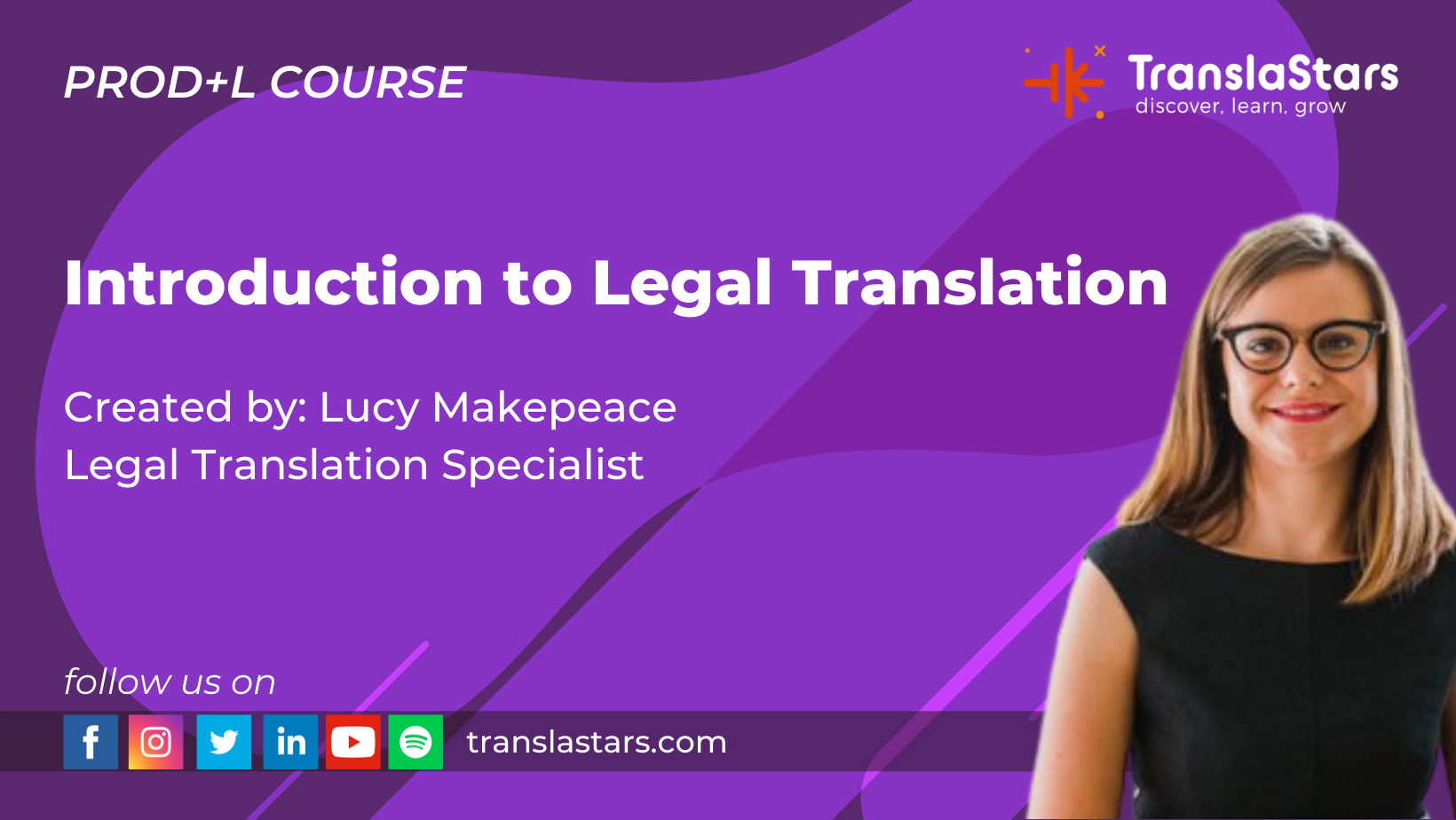
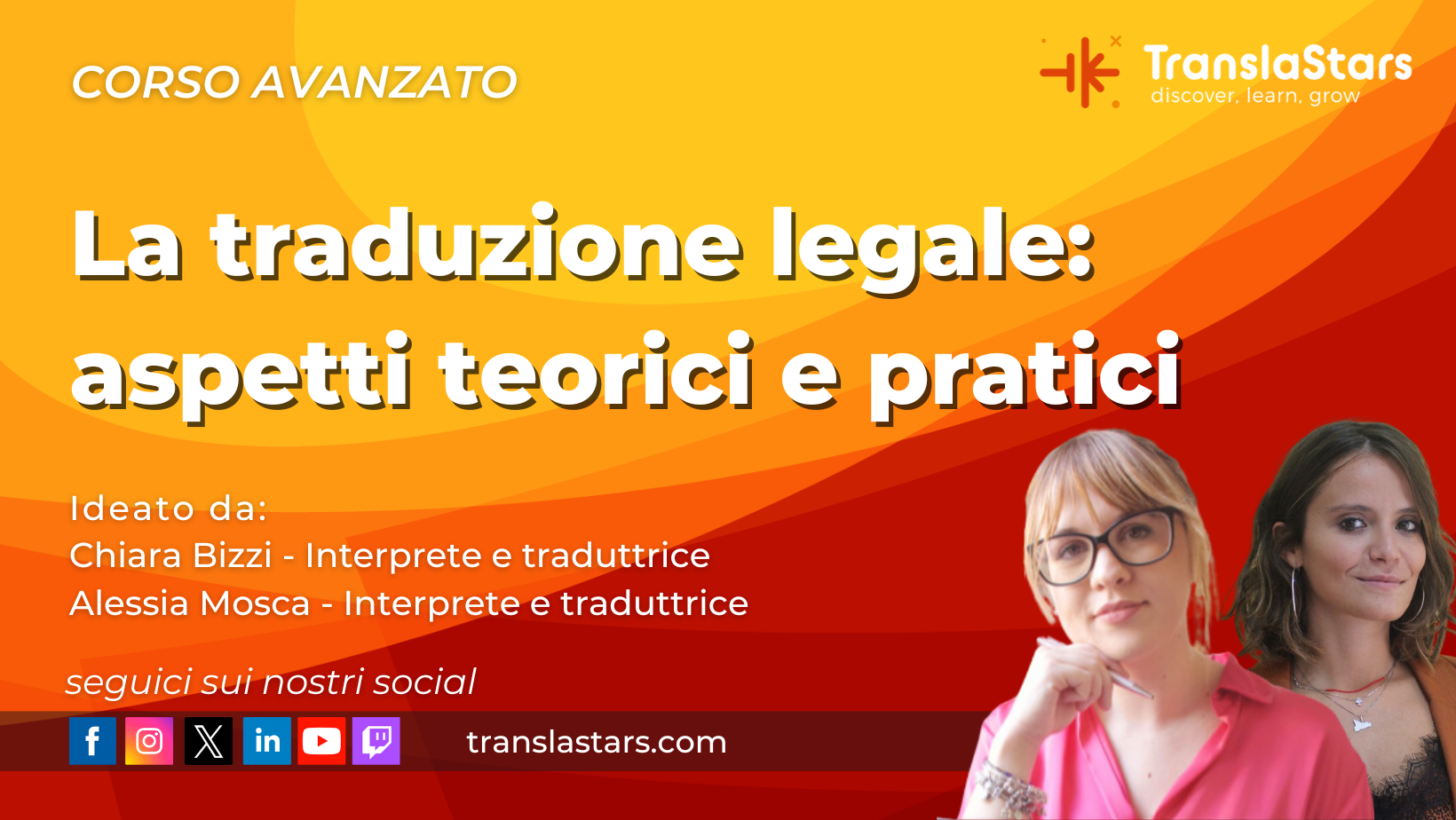
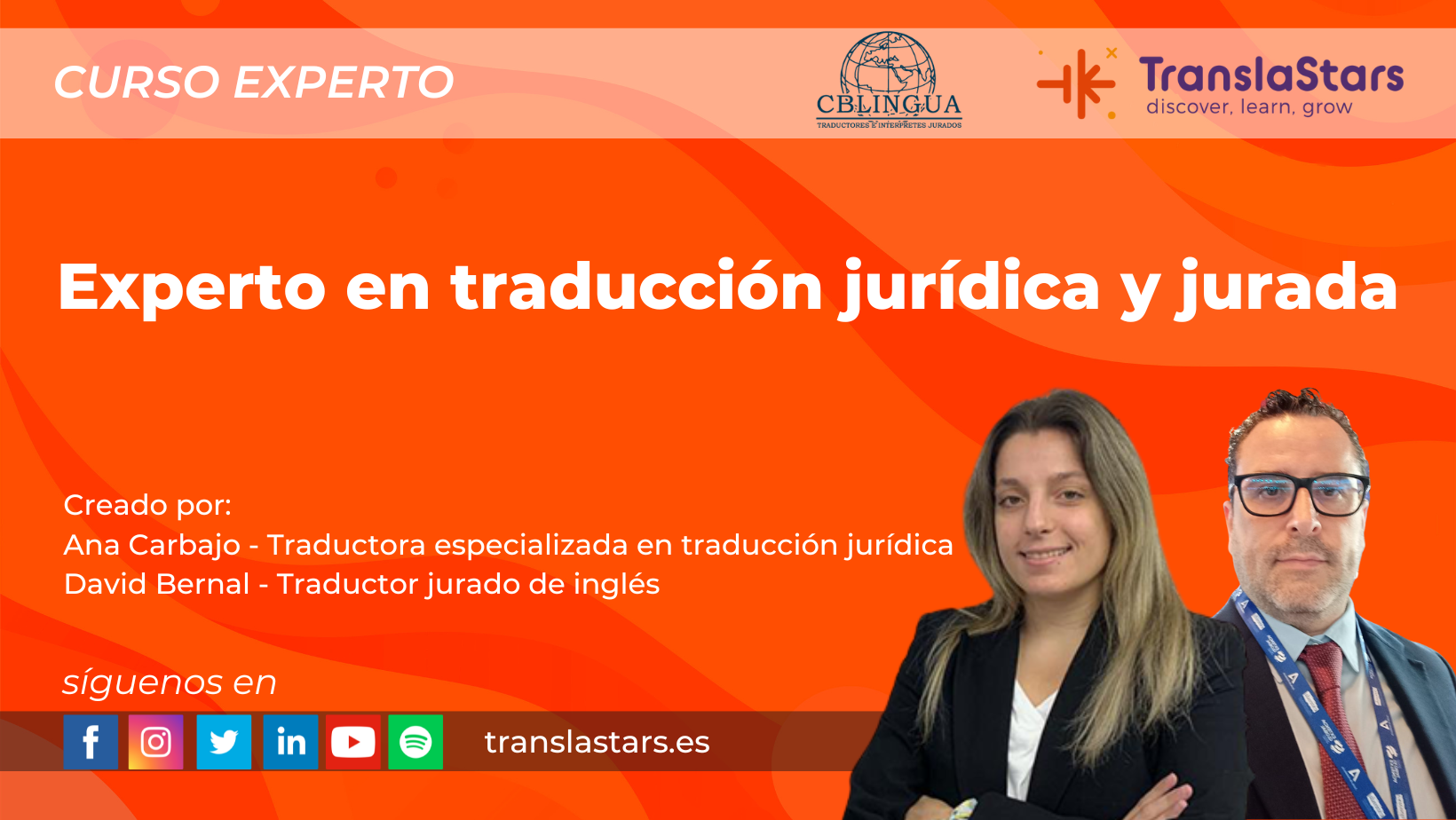
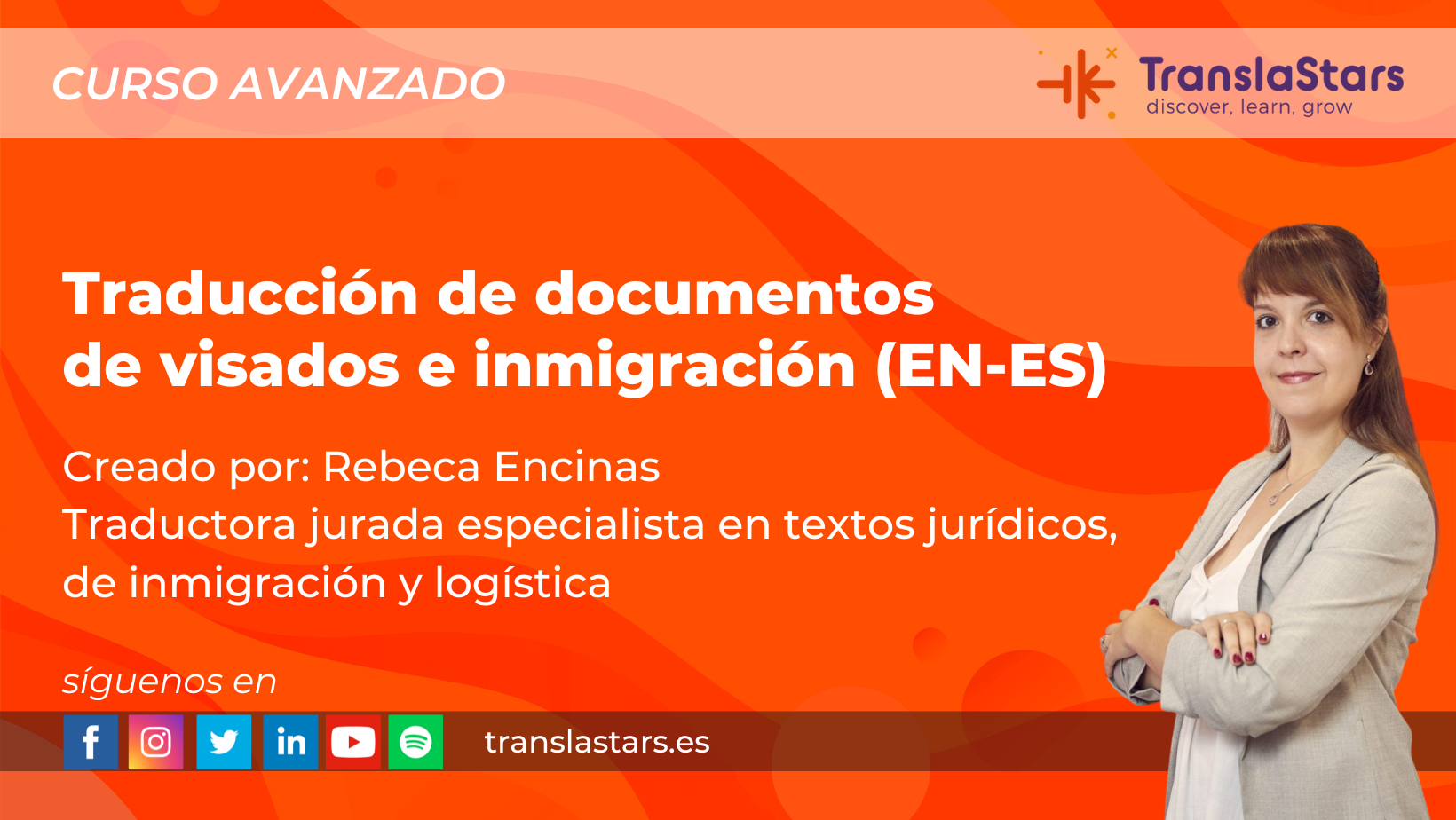
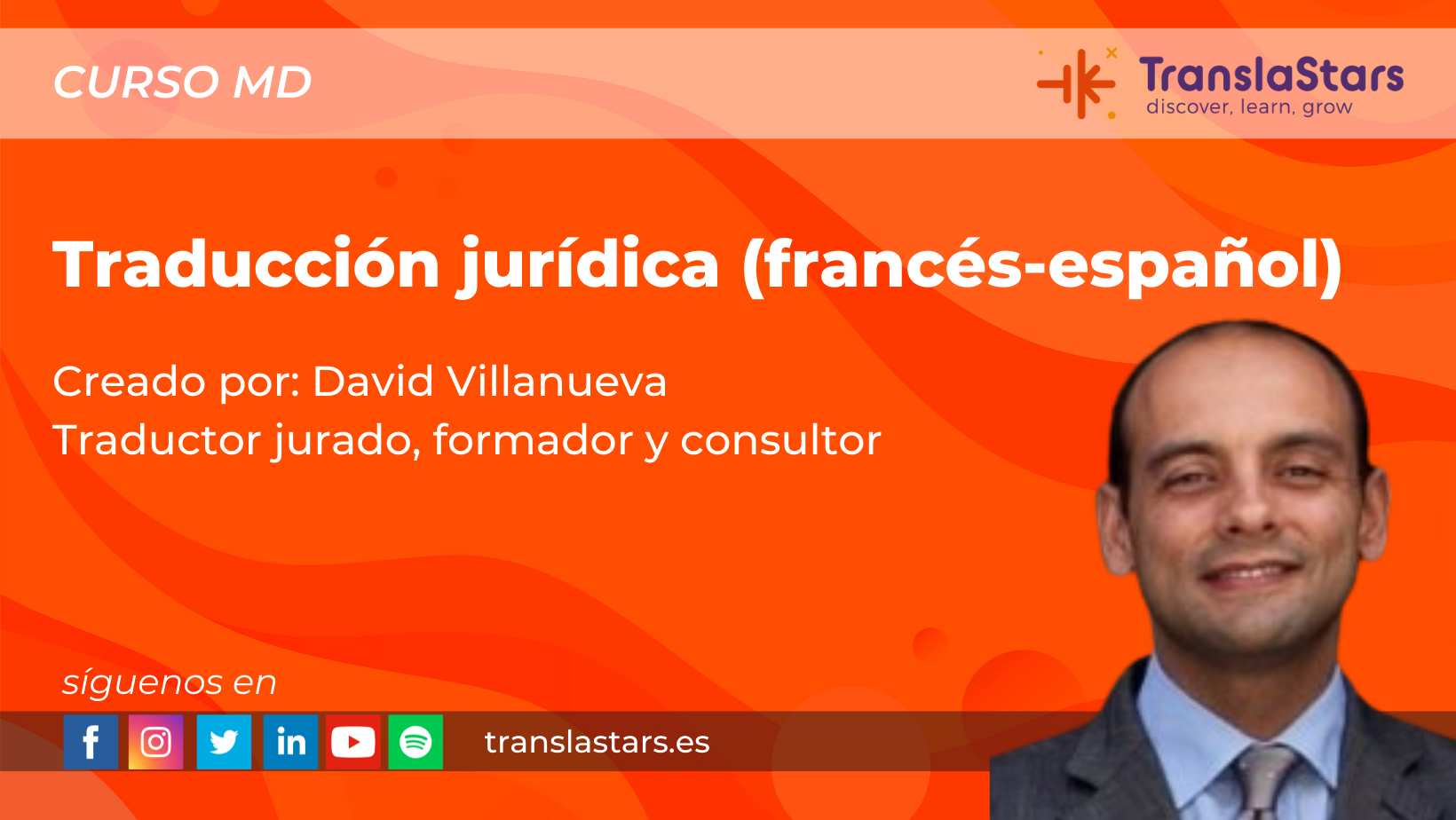
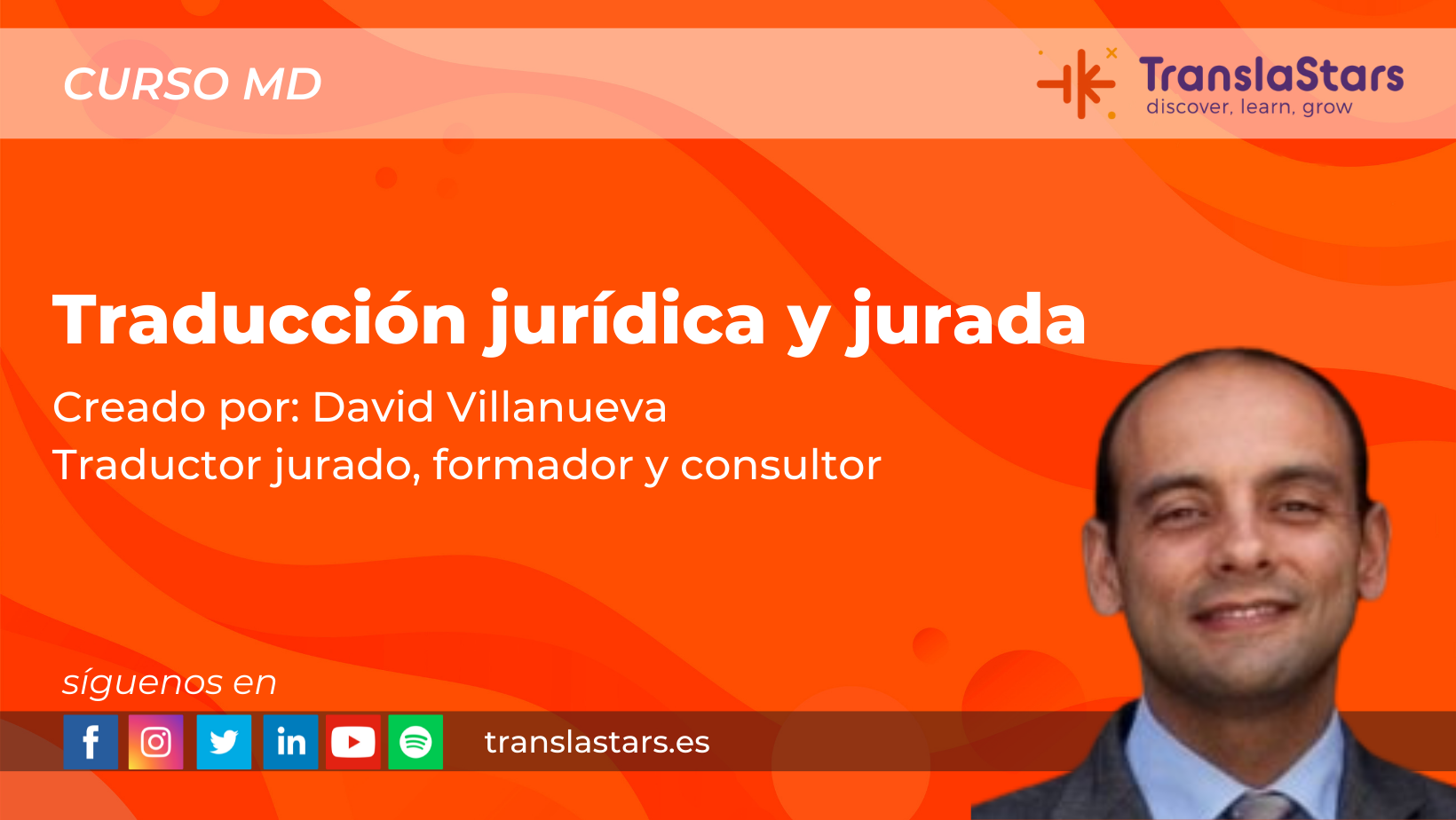
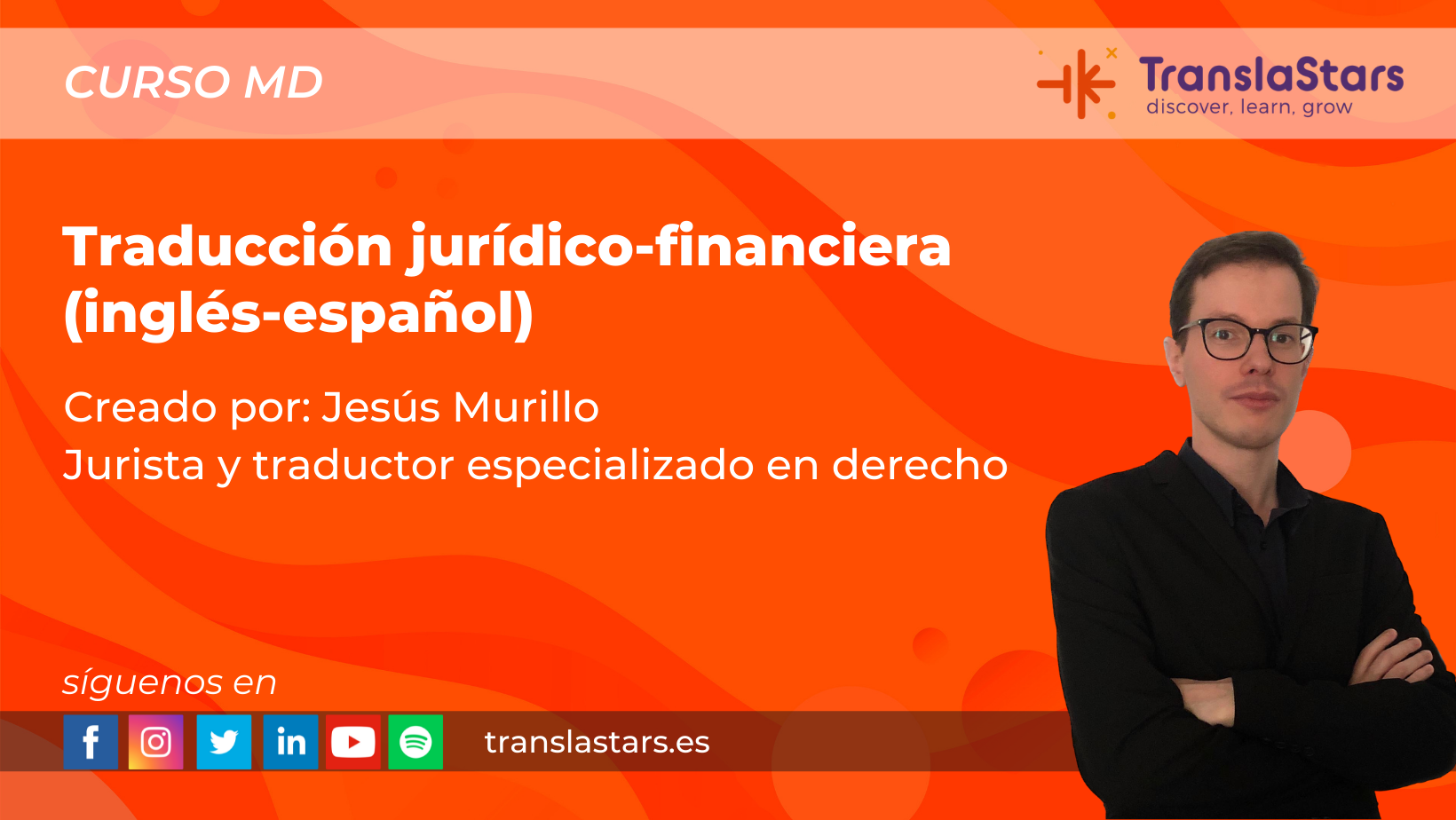
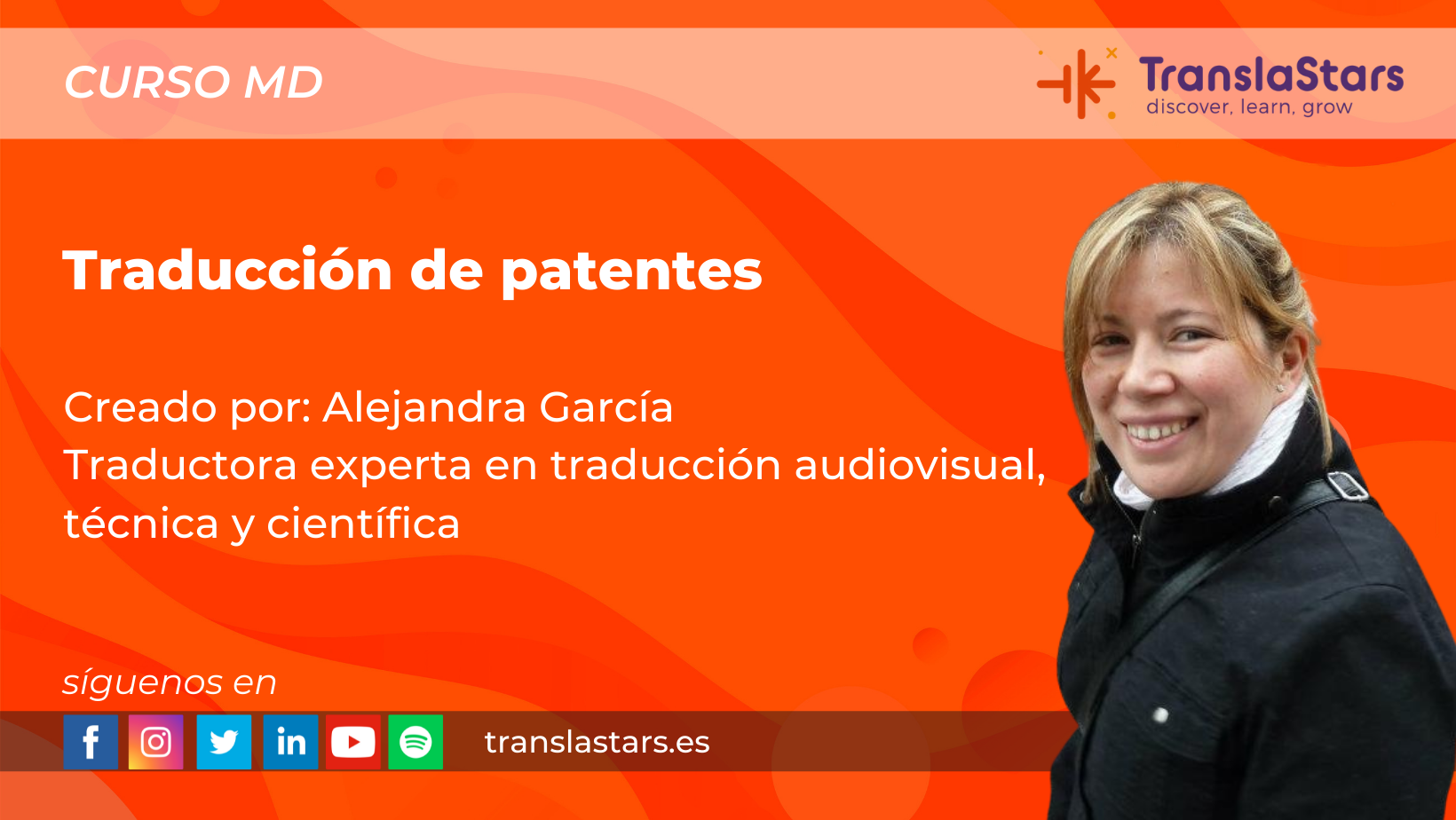
Related paths
FAQ
Sworn (certified) translation is a legally valid translation of official documents, usually produced by a translator authorized by the relevant authority. The track explains how it works in different countries and how to qualify.
No. The courses teach the terminology, sources and quality processes you need. Many successful legal translators come from language backgrounds and build domain knowledge over time.
Yes. Legal translation consistently commands premium rates because of the stakes, the terminology demands and the trust clients must place in the translator.
In many countries, yes, through exams or registration with the relevant authority. The courses explain the paths and how to prepare.
Yes. Every paid course includes a TranslaStars certificate of completion, and expert courses award specialized certificates for your CV, LinkedIn profile and portfolio.
The catalog includes courses in English, Italian, Spanish, Portuguese, German and French. Use the language filter below to see only courses in your language.
Join thousands of language professionals learning with TranslaStars.
Explore all courses Listen to the Best