
Natural Language Processing (NLP) is rapidly reshaping how language services are delivered. From machine translation and terminology extraction to automated quality checks and content analysis, NLP technologies are becoming an integral part of modern translation and localization workflows. For language professionals, understanding how these tools work and how to use them effectively is no longer optional.
Rather than replacing linguists, NLP is changing the way linguistic expertise is applied, creating new opportunities in areas such as post-editing, AI quality evaluation, and language data management. Continuous upskilling is becoming essential, which is why specialized training, such as our Master programs and courses, plays a key role in helping professionals stay competitive.
In this article, we explore 5 ways NLP is transforming the work of language professionals, supported by Francesco Saina’s insights and practical takeaways you can apply to your daily work.
Rather than replacing linguists, NLP is changing the way linguistic expertise is applied, creating new opportunities in areas such as post-editing, AI quality evaluation, and language data management. Continuous upskilling is becoming essential, which is why specialized training, such as our Master programs and courses, plays a key role in helping professionals stay competitive.
In this article, we explore 5 ways NLP is transforming the work of language professionals, supported by Francesco Saina’s insights and practical takeaways you can apply to your daily work.
1. Smarter Machine Translations and the Rise of Post-Editing
Machine Translation has evolved rapidly thanks to advances in Natural Language Processing. Modern neural MT systems can process context more effectively, produce more fluent output, and handle complex sentence structures better than earlier generations of translation technology.
For language professionals, this shift has led to the rise of post-editing as a key professional skill. Instead of translating from scratch, linguists are increasingly expected to evaluate, correct, and optimize machine-generated content.
This requires not only strong linguistic competence, but also the ability to quickly identify typical MT errors, assess quality levels, and apply the right level of intervention depending on the project requirements.
In practice, this means understanding how MT engines and AI models work, what their most common mistakes are, and how to improve output efficiently: skills that are now central to modern translation workflows and that make human capacities invaluable and irreplaceable.
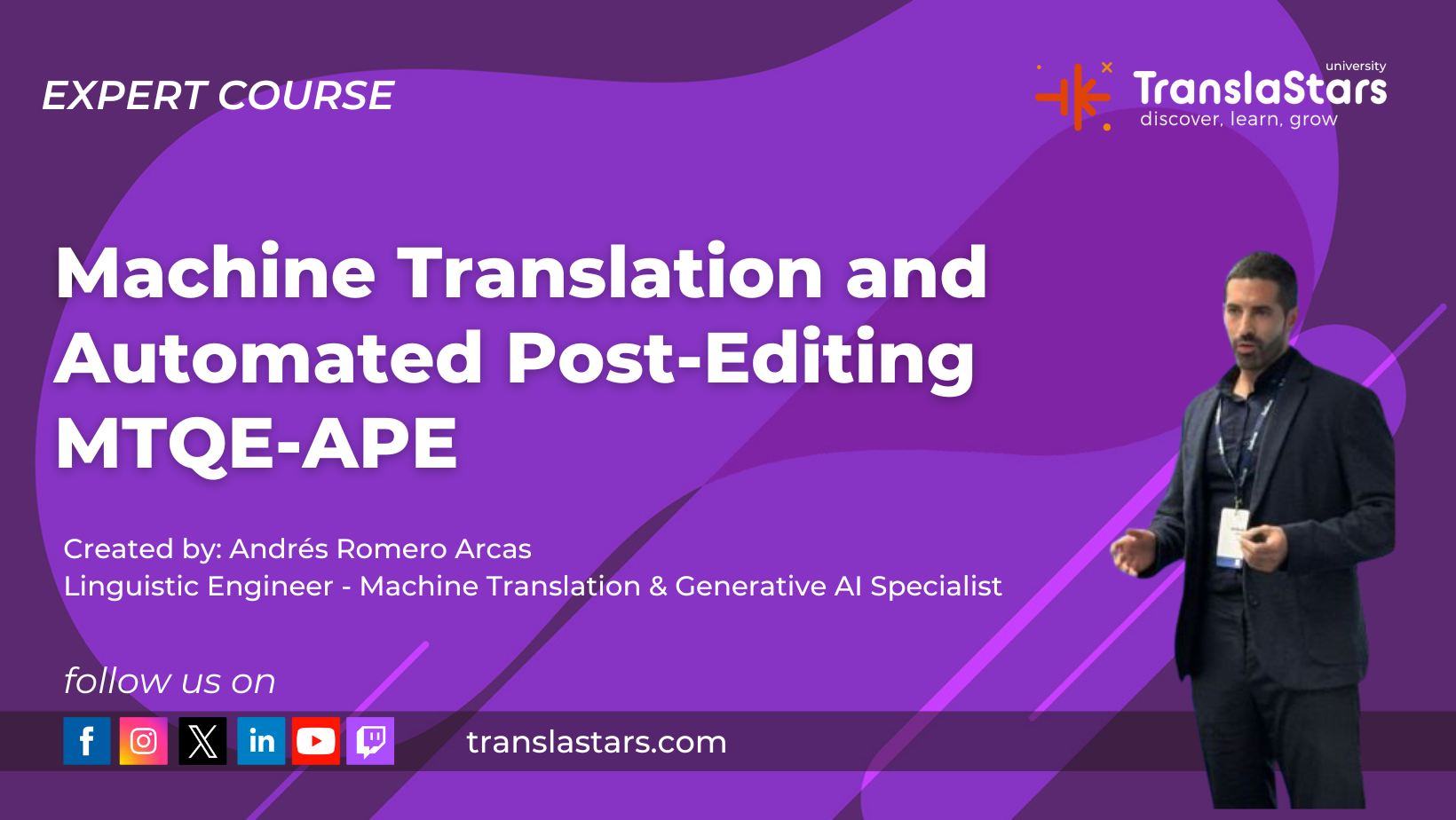
Developing these capabilities requires targeted, practical training. For example, our Machine Translation and Automated Post-Editing (MTQE-APE) course hosted by Andrés Romero focuses on how to implement MT and automated post-editing solutions in real workflows and understand hybrid quality estimation and post-editing pipelines.
For language professionals, this shift has led to the rise of post-editing as a key professional skill. Instead of translating from scratch, linguists are increasingly expected to evaluate, correct, and optimize machine-generated content.
This requires not only strong linguistic competence, but also the ability to quickly identify typical MT errors, assess quality levels, and apply the right level of intervention depending on the project requirements.
In practice, this means understanding how MT engines and AI models work, what their most common mistakes are, and how to improve output efficiently: skills that are now central to modern translation workflows and that make human capacities invaluable and irreplaceable.
Developing these capabilities requires targeted, practical training. For example, our Machine Translation and Automated Post-Editing (MTQE-APE) course hosted by Andrés Romero focuses on how to implement MT and automated post-editing solutions in real workflows and understand hybrid quality estimation and post-editing pipelines.
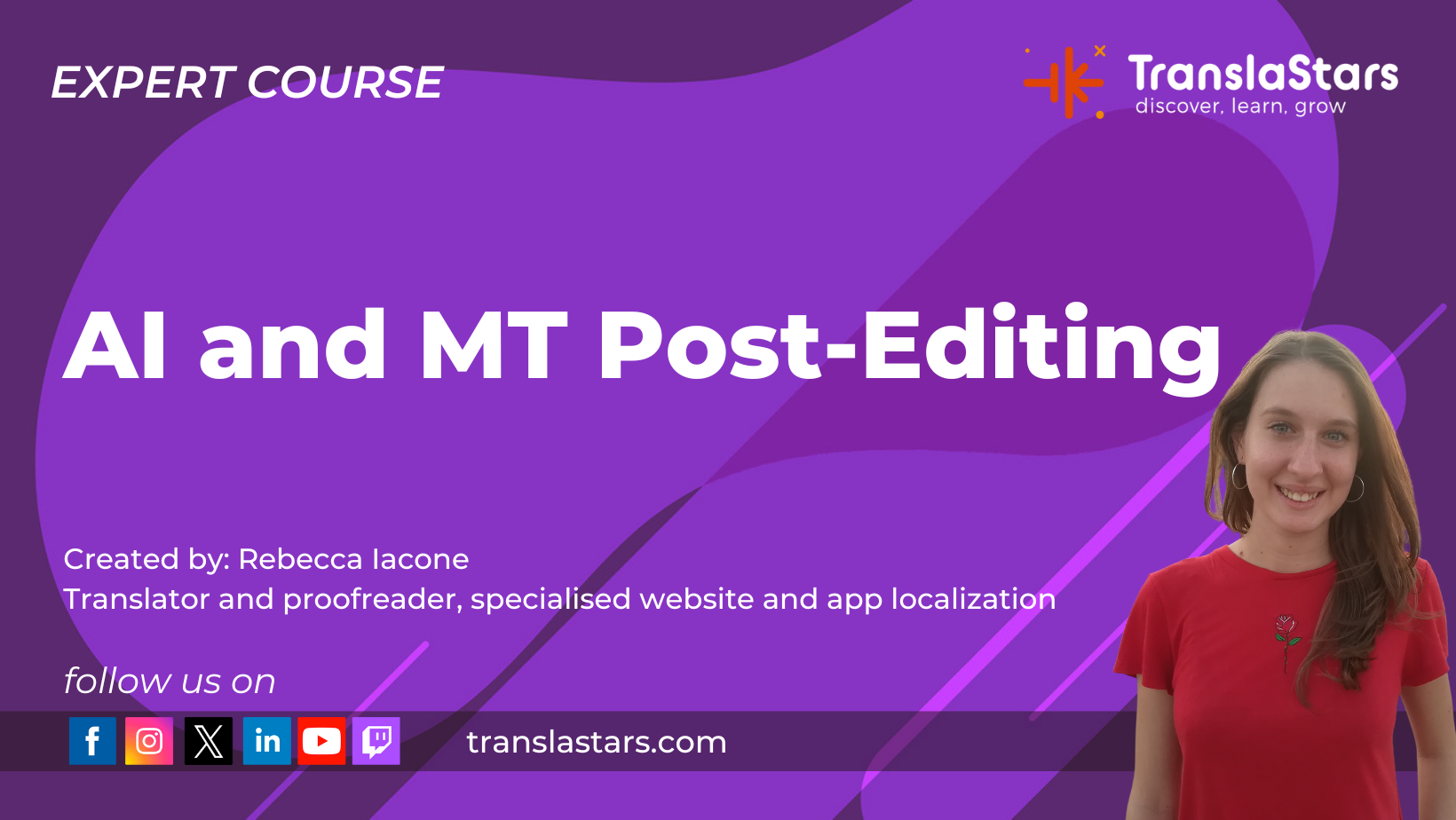
Similarly, the AI & Machine Translation Post-Editing course by Rebecca Iacone helps language professionals understand how MT engines and Large Language Models work, recognize common translation errors, and apply effective post-editing strategies to maximize translation quality.
NLP-driven MT is also changing how translation projects are priced, managed, and delivered. Faster turnaround times are becoming the norm, while quality expectations remain high. This makes it essential for professionals to understand how MT systems work, what their limitations are, and how to collaborate with them efficiently.
2. NLP-Powered Terminology Management and Consistency
Maintaining accurate and consistent terminology is essential for professional translation and localization. NLP tools are making this easier by automatically extracting terms, suggesting translations, and flagging inconsistencies across large or multilingual projects.
This allows language professionals to spend less time on manual lookups and focus on ensuring precision, style, and context.
Developing these skills is easier with targeted training. The Introduction to NLP for Language Professionals course by Francesco Saina covers the fundamentals of NLP and shows how language technologies can support translation, terminology management, and multilingual workflows.
This allows language professionals to spend less time on manual lookups and focus on ensuring precision, style, and context.
Developing these skills is easier with targeted training. The Introduction to NLP for Language Professionals course by Francesco Saina covers the fundamentals of NLP and shows how language technologies can support translation, terminology management, and multilingual workflows.


3. Advanced Quality Assurance and Error Detection
Quality assurance has moved far beyond basic spellchecks or terminology consistency. NLP-powered QA tools can now automatically detect mistranslations, inconsistencies, stylistic deviations, and even meaning-preservation errors.
This allows language professionals to focus on nuanced linguistic decisions rather than repetitive, mechanical checks. By analyzing context, tone, and syntax, modern QA technologies help ensure translations are not only accurate but also stylistically aligned with both the source text and the target audience.
These tools also support scalability and efficiency. Large or multilingual projects that once required extensive manual review can now be assessed more quickly, with NLP systems highlighting segments that need human attention.
However, while automation can flag potential issues, the human role remains essential: linguists must interpret suggestions, make judgment calls, and ensure that the translation truly conveys the intended meaning and tone.
This allows language professionals to focus on nuanced linguistic decisions rather than repetitive, mechanical checks. By analyzing context, tone, and syntax, modern QA technologies help ensure translations are not only accurate but also stylistically aligned with both the source text and the target audience.
These tools also support scalability and efficiency. Large or multilingual projects that once required extensive manual review can now be assessed more quickly, with NLP systems highlighting segments that need human attention.
However, while automation can flag potential issues, the human role remains essential: linguists must interpret suggestions, make judgment calls, and ensure that the translation truly conveys the intended meaning and tone.
4. Content Analysis and Smarter Localization Strategies
NLP is not only transforming translation and QA. It is also reshaping how organizations plan and prioritize multilingual content. Tools powered by NLP can automatically analyze texts to detect complexity, domain, style, and sentiment, helping teams decide what content needs translation, adaptation, or localization. This allows language professionals to focus their efforts where they deliver the most value, rather than translating everything indiscriminately.
By leveraging these insights, linguists can contribute strategically to global content workflows. For example, identifying high-priority content, spotting cultural nuances, or detecting stylistic mismatches ensures translations resonate with local audiences. NLP also supports pre-localization checks, such as segmenting text for efficiency, flagging potential ambiguities, and predicting the effort required for translation, helping teams optimize time and resources.
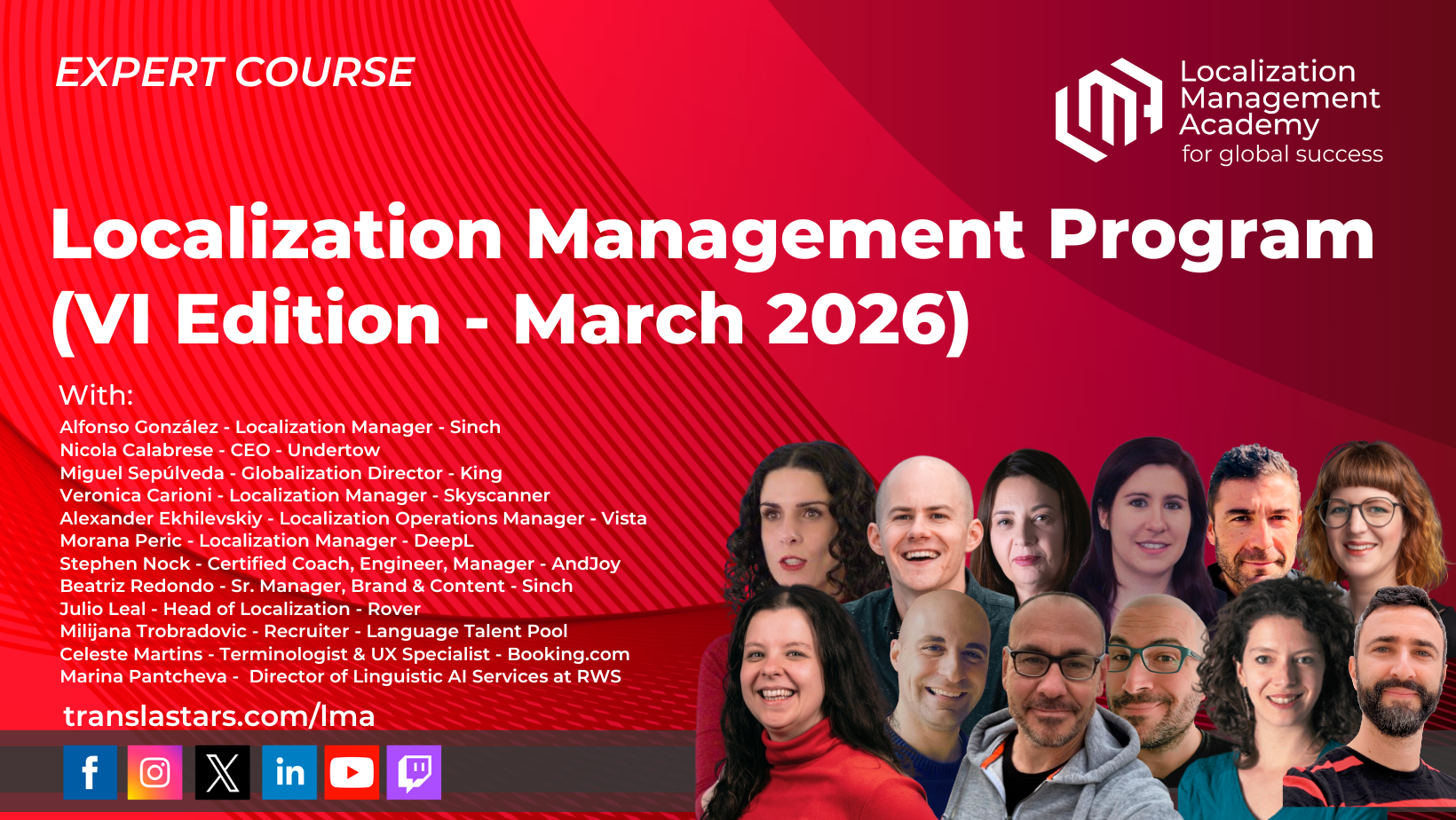
For professionals aiming to expand their strategic role in localization, programs like the VI Edition of our Localization Management Program offer structured training in how to establish effective localization strategies, communicate them to stakeholders, and implement them in real environments.
The course is structured in two parts:
By leveraging these insights, linguists can contribute strategically to global content workflows. For example, identifying high-priority content, spotting cultural nuances, or detecting stylistic mismatches ensures translations resonate with local audiences. NLP also supports pre-localization checks, such as segmenting text for efficiency, flagging potential ambiguities, and predicting the effort required for translation, helping teams optimize time and resources.
For professionals aiming to expand their strategic role in localization, programs like the VI Edition of our Localization Management Program offer structured training in how to establish effective localization strategies, communicate them to stakeholders, and implement them in real environments.
The course is structured in two parts:
- In the first part, you will discover how the localization industry is structured, how to manage projects, what the tools of the trade are, and how to land a job.
- The second part will teach you how to establish a localization strategy, how to communicate it effectively to receive the necessary buy-in, and how to implement it successfully.
5. New Roles and Skills for the AI-Era
As NLP and AI technologies become increasingly integrated into translation, localization, and content workflows, the role of language professionals is evolving.
No longer limited to traditional tasks, linguists are now engaging with tools that require both linguistic expertise and technological literacy. Understanding how these systems work, evaluating their output, and making informed decisions have become just as important as translation itself.
This shift is perfectly captured by Francesco Saina’s insight about the topic:
No longer limited to traditional tasks, linguists are now engaging with tools that require both linguistic expertise and technological literacy. Understanding how these systems work, evaluating their output, and making informed decisions have become just as important as translation itself.
This shift is perfectly captured by Francesco Saina’s insight about the topic:
His perspective highlights that while technology is advancing rapidly, human expertise remains central. Linguists are not being replaced: they are being empowered to leverage AI and NLP tools, applying their deep understanding of language to guide, refine, and improve automated outputs.
As a result, new professional opportunities are emerging in areas such as post-editing, AI-assisted QA, language data management, and prompt engineering.
As a result, new professional opportunities are emerging in areas such as post-editing, AI-assisted QA, language data management, and prompt engineering.
Conclusion
Natural Language Processing is reshaping the work of language professionals, from machine translation and terminology management to quality assurance and localization strategy. These tools increase efficiency and provide valuable insights, but they cannot replace the human expertise that ensures meaning, nuance, and cultural accuracy.
By understanding and integrating NLP into their workflows, linguists can focus on higher-value tasks, make informed decisions, and play a more strategic role in multilingual projects. Continuous learning and training are essential to stay ahead in this evolving landscape.
NLP enhances the work of language professionals, but it is the human expertise, such as judgment, creativity, and cultural knowledge, that ensures translations are accurate, meaningful, and truly effective.
By understanding and integrating NLP into their workflows, linguists can focus on higher-value tasks, make informed decisions, and play a more strategic role in multilingual projects. Continuous learning and training are essential to stay ahead in this evolving landscape.
NLP enhances the work of language professionals, but it is the human expertise, such as judgment, creativity, and cultural knowledge, that ensures translations are accurate, meaningful, and truly effective.
If you liked this article, read also:




Courses
Free Courses/Resources
LMA
TranslaStars University
Media Library
Contact
Support / Help / Documentation
Data