




Courses
Free Courses/Resources
LMA
TranslaStars University
Media Library
Contact
Support / Help / Documentation
Data

Learn the craft of translating books, poetry and narrative prose. Voice, style, culture and the business of literary publishing.
Literary translation is where language work becomes art. It is not about transferring meaning but about recreating voice, rhythm, emotion and culture so readers in the target language feel what the original readers felt.
You learn to analyze narrative voice, handle dialogue, dialect and register, translate poetry and wordplay, navigate cultural references, and work with editors and publishers. The courses also cover the business of literary translation: rights, contracts, royalties and how to pitch a translation.
Literary translators are a passionate, collaborative community, and the industry needs fresh voices. With the global rise of translated fiction, publishers are actively looking for skilled translators who can bring stories to new readers.
Translated fiction is booming, and publishers need translators who can do more than render words: they need writers in two languages. Literary translation can be combined with other services, and its prestige and creative satisfaction are unmatched.
Courses in this specialty
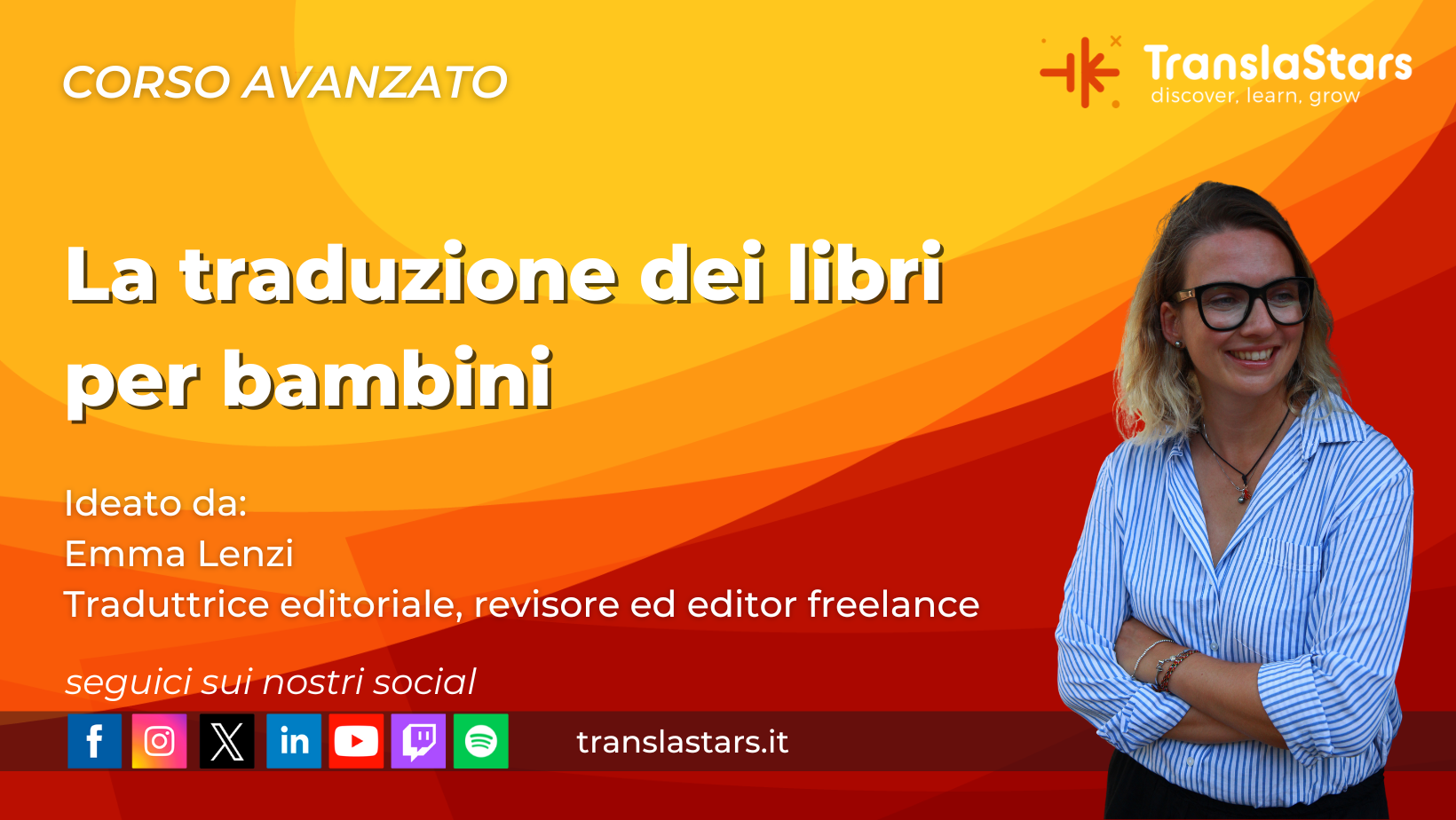
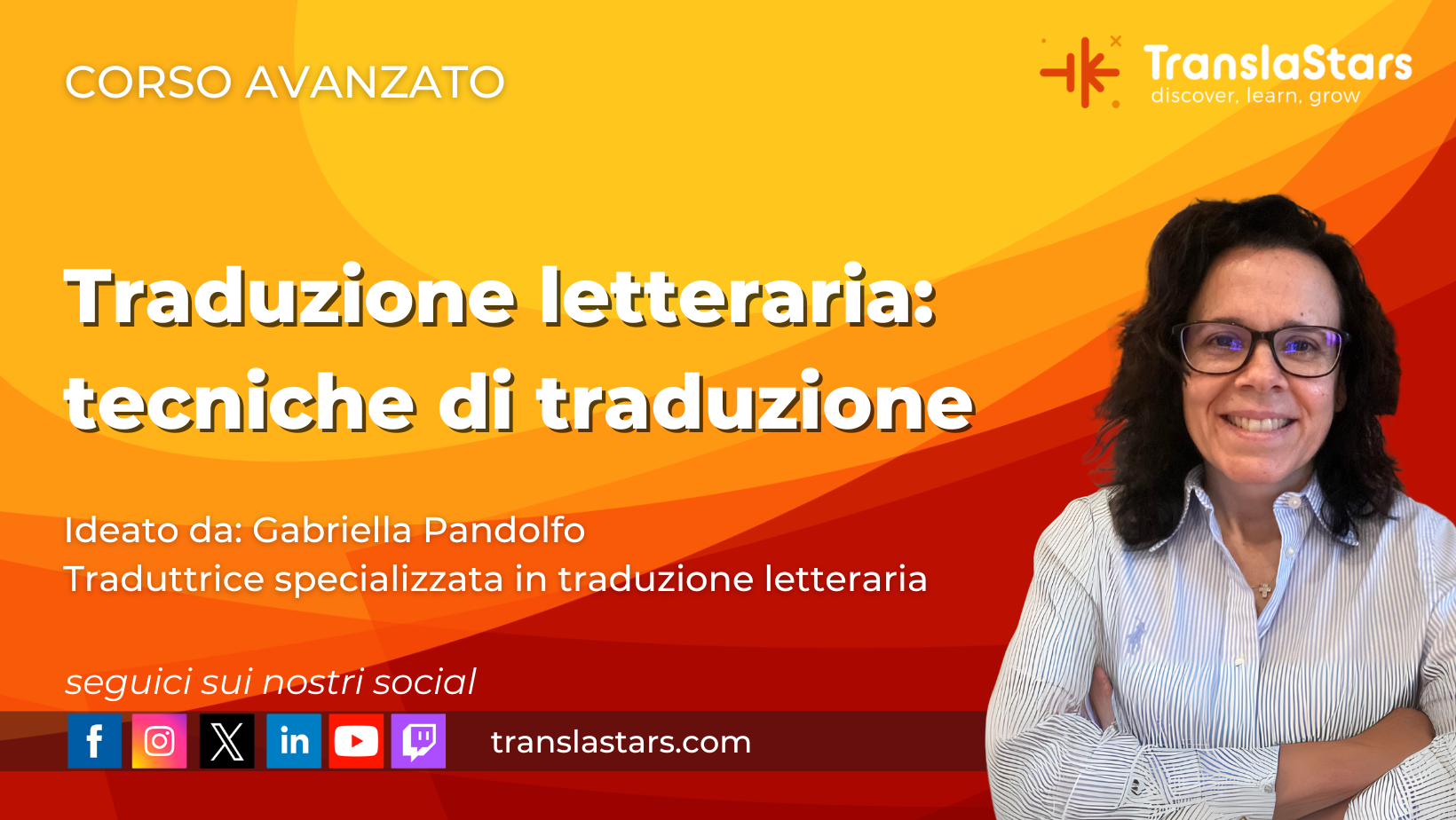
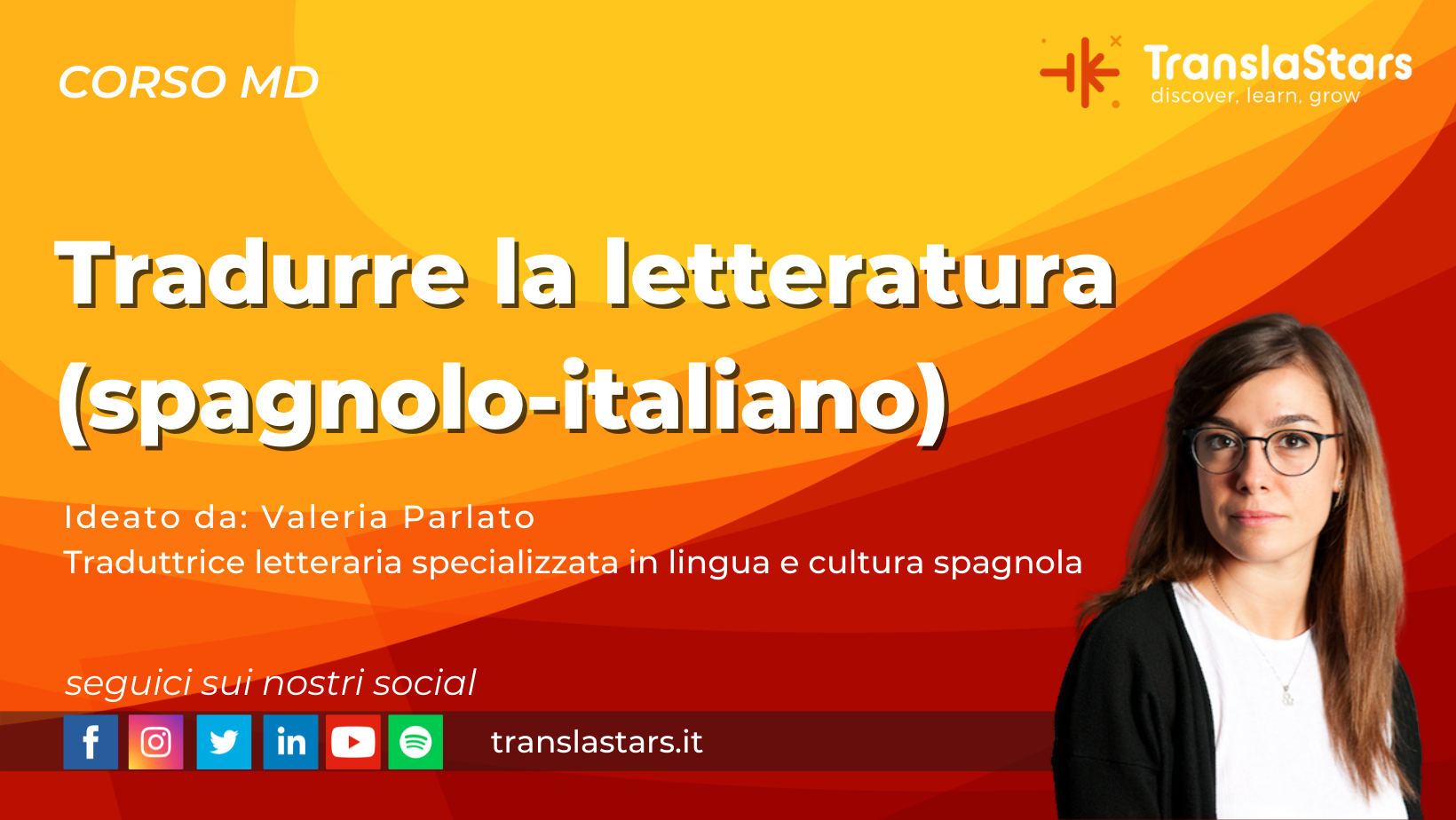
Related paths
FAQ
No. The courses cover the craft and the business: how to work with editors, pitch publishers, and understand contracts and royalties.
Many literary translators combine books with other translation work. The courses cover the reality of the market and how to build a sustainable practice.
It is different. It demands strong writing ability in the target language and creative problem solving, plus the same research discipline as any other domain.
Yes. Every paid course includes a TranslaStars certificate of completion, and expert courses award specialized certificates for your CV, LinkedIn profile and portfolio.
The catalog includes courses in English, Italian, Spanish, Portuguese, German and French. Use the language filter below to see only courses in your language.
Start with the craft fundamentals, build a portfolio with short pieces, and connect with the literary translation community. The courses guide you through each step.
Join thousands of language professionals learning with TranslaStars.
Explore all courses Listen to the Best